-

-
Company / Product/Service
Retrofitting Heavy Duty Rollers Into an Existing Line
Share:
Heinrich Brothers Inc, McMurray, PA
Posted on Nov 5, 2026
When product weights increase, a conveyor line may be asked to handle more than it was originally specified for. Heavier product loads warrant a review of the conveyor’s specified capacity and the condition of its components. A roller retrofit may be an option after an assessment confirms that the existing conveyor can support the proposed application.
People Also Ask
Can I Put Heavy Duty Rollers on an Existing Conveyor Frame?
Possibly. Confirm roller fit and have the supplier assess the frame, supports, drive, and other affected components against the proposed load.
What Are Signs That Conveyor Rollers Need Upgrading?
Recurring bearing failures, dented or bowed tubes, and seized rollers in the same section warrant a review of roller condition, loading, alignment, and operating conditions.
This guide covers why facilities consider heavy duty rollers, how to match new rollers to existing frames, what to measure, and also how to schedule the work around production.
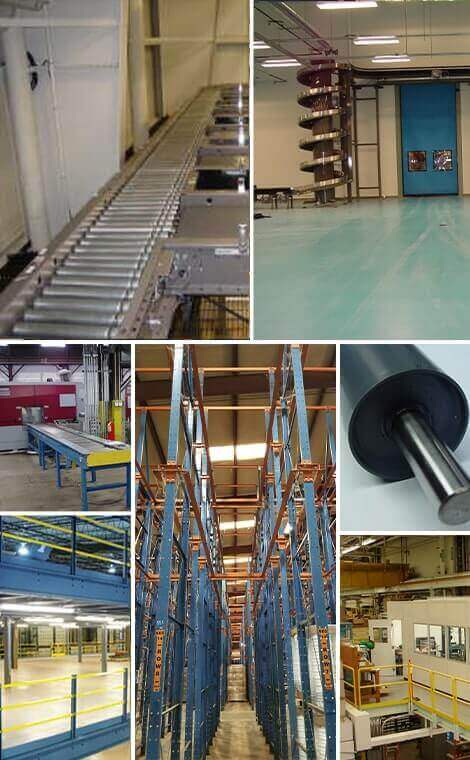
Why Facilities Upgrade Rollers, Not Conveyors
In some facilities, the conveyor frame and drive may still have useful life left when the rollers start failing. Product weight goes up, a shift gets added, or packaging changes.
A targeted conveyor line upgrade keeps what still works. It may avoid the cost, layout changes, and extended downtime of a full replacement. Operators also stay on equipment they already know.
Common triggers include:
- New products or packaging heavier than the original design load
- Recurring bearing failures or seized rollers in the same section
- Dented or bowed tubes at load and transfer points
- Added shifts that raise the duty cycle
A roller upgrade is not always the right fix! If the frame is damaged, the drive is undersized, or the layout no longer fits the workflow, a broader evaluation makes more sense. The material handling conveyor playbook explains how to separate a component problem from a system problem.
Matching New Rollers to Existing Frames
Heavy duty rollers have to fit the frame you already have. A roller that carries more load but does not mount correctly creates a new problem. Our guide to specifying conveyor rollers for industrial facilities covers each of these fit and load decisions in more depth.
Check how each roller interfaces with the frame:
- Axle shape and size: The new axle must match the existing frame holes, whether hex, round, or square.
- Axle retention: Spring loaded, threaded, milled, and other axle ends hold rollers differently.
- Roller diameter: A larger diameter can raise the conveying surface or interfere with side guards and transfers.
- Bearing type: Confirm the selected bearing’s documented load and speed ratings against the application.
Please do confirm the complete roller assembly’s load rating, including tube, axle, bearing, and support requirements. Ask whether deflection control is needed. To see how each profile seats in the frame, compare hex vs. round conveyor roller axles.
Heinrich Brothers Inc. supplies heavy duty conveyor rollers in a range of tube diameters, wall thicknesses, axle styles, and bearing options, so replacements can be specified to the existing frame.
Measurements to Take Before Replacement
Accurate measurements help reduce ordering errors. Measure an existing roller and the frame before requesting a quote. This list of conveyor roller specifications to confirm before ordering covers the details suppliers ask for.
- Between frame width: the inside distance between the frame rails
- Roller tube length
- Overall axle length
- Tube outside diameter and wall thickness
- Axle diameter and shape
- Axle end type, such as spring loaded, threaded, or milled
- Roller centers: the spacing between rollers
Confirm the supplier’s required measurement definitions before recording each dimension. Also record product weight, the shortest product length, and conveyor speed. Confirm roller spacing with the supplier against product dimensions, weight, base construction, and operating conditions. If a worn roller is bent, measure an undamaged one from the same section.
Mixing Roller Grades Along One Line
Not every section needs heavy duty rollers. Review loading, transfer, and accumulation conditions when identifying sections for assessment.
Upgrading only selected sections may help control costs. Mixing grades still needs a plan:
- Confirm roller diameter and mounting height against the required conveying surface elevation.
- Have the supplier confirm bearing compatibility and rolling resistance when combining roller specifications within a section.
- Record which grade sits where, so maintenance teams order the correct replacement conveyor rollers later.
On powered roller conveyors, confirm that heavier rollers still suit the drive. Added roller weight and bearing resistance can change the load on the motor.
Planning Retrofits Around Production Schedules
Plan the retrofit around equipment availability, production requirements, and the approved installation procedure.
- Order and inspect replacement rollers before any equipment comes down.
- Schedule the work during planned shutdowns, weekends, or low volume shifts.
- Replace sections in stages; if the line cannot stop for long.
- Follow your facility’s lockout/tagout procedures before removing rollers.
- Have qualified personnel complete the required checks and testing under the approved commissioning procedure.
Confirm the material handling equipment installation and repair scope available for the retrofit. Facilities that prefer to handle the swap in house can still work with Heinrich Brothers Inc. on roller selection.
Plan Your Heavy Duty Roller Retrofit
A roller retrofit may suit an existing line when an assessment confirms component compatibility and system capacity. Success comes down to assessing the line, measuring carefully, and scheduling around production.
Contact Heinrich Brothers Inc. to request a quote for heavy duty rollers that fit your existing conveyor frames.
Source Destination: https://heinrichbrothers.com/retrofitting-heavy-duty-rollers-into-an-existing-line/